Select Board Vice-Chair Michael Rubenstein says new housing won't end the need for tax overrides, but it will shrink them.
Rubenstein published a letter to the editor in Brookline.News on Friday, July 10, responding to resident Stanley Spiegel, who two days earlier argued that Brookline's repeated reliance on overrides proves residential development doesn't actually help the town's bottom line.
In his Wednesday, July 8 letter, Spiegel contended that because Brookline keeps needing overrides, claims about residential development's tax benefits are "highly suspect." His reasoning: if housing truly generated surplus revenue, overrides would be unnecessary.
Rubenstein called that a misreading. The logic only holds, he wrote, "if not for increased costs of delivering town services due to inflation that exceed the amount of property tax revenue that the Town is allowed to assess without an override vote."
In plain terms: Proposition 2½ caps how much Brookline can raise through property taxes each year. Meanwhile, costs like healthcare and wages keep climbing faster than that cap allows. New housing adds revenue that narrows the gap. It doesn't close it.
Development can be a net positive and overrides can still be necessary, Rubenstein argued, because inflation-driven costs outpace both the Prop 2½ cap and the new revenue combined.
Deputy Town Administrator Melissa Goff projected a $25 to $28 million structural deficit once the current override funds run out in 2029, according to a July 8 report by Sam Mintz in Brookline.News. That deficit is driven by healthcare costs rising 8 to 12 percent annually, $7.8 million in mandated school wage increases, and special education cost overruns, figures detailed in a March 2025 town newsletter.
Brookline also receives the lowest per-pupil rate of state school aid as a "minimum aid" community, compounding the pressure.
Planning and Community Development Director Kara Brewton told the Select Board that every major project built in Brookline over the last 15 years had a net positive fiscal impact, including housing-only developments, according to the same Brookline.News report. Select Board member Amanda Zimmerman said at the same board discussion: "Even in a worst case scenario, new apartments are still a net positive to the town."
Voters approved a $23.5 million operating override in May 2026 with 60 percent support and record 34.3 percent turnout. That election also swept newcomers Zimmerman and Anthony Buono onto the Select Board, replacing incumbent John VanScoyoc.
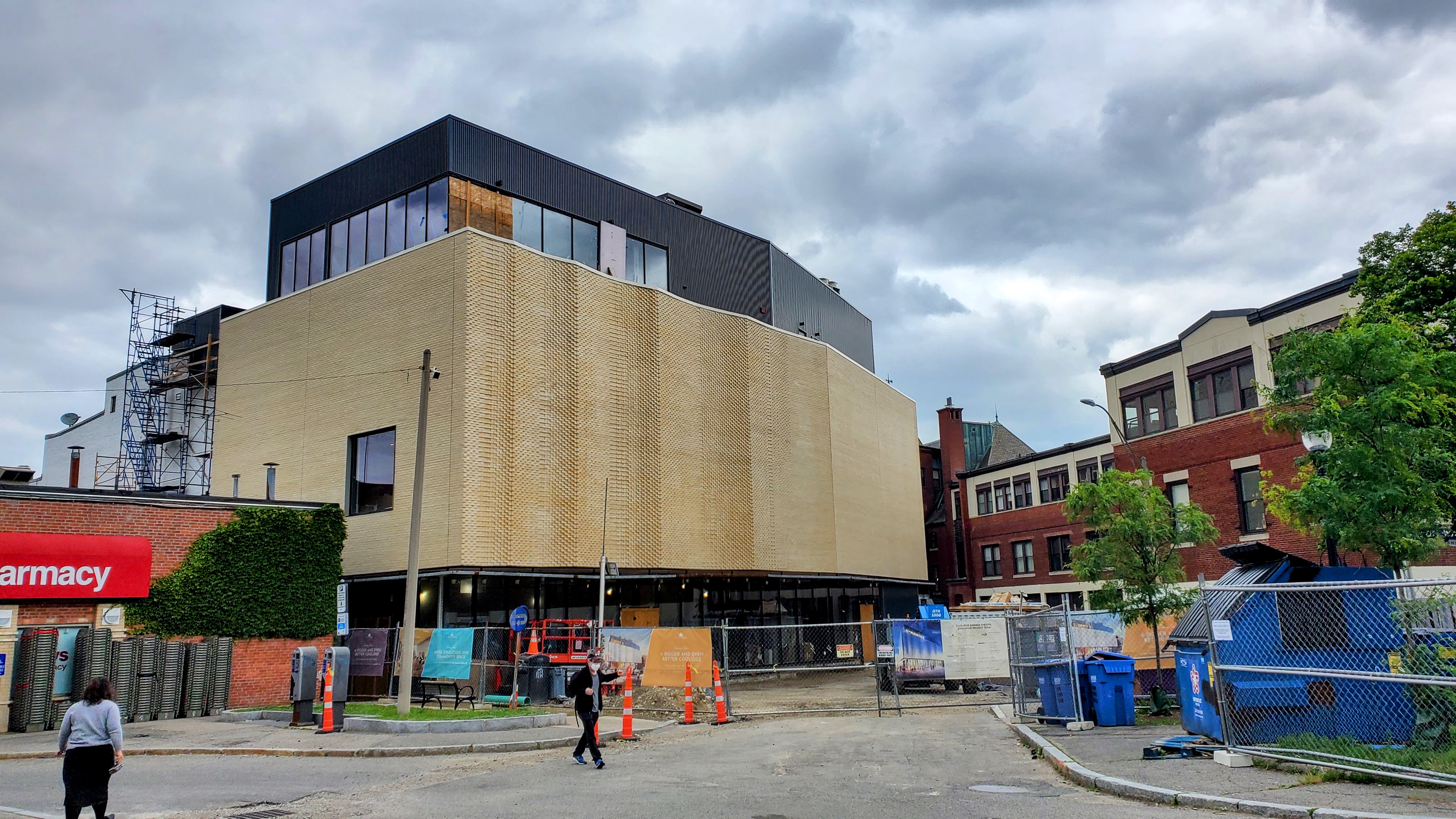
The board has identified development targets including the Centre Street parking lot in Coolidge Corner, the Kent/Webster lot in Brookline Village, and parcels along Washington Square and Commonwealth Avenue. Town Meeting in May 2026 approved the Chestnut Hill Commercial Overlay District rezoning for redevelopment of 1280–1330 Boylston Street.
Town Administrator Chas Carey wrote in the June 2026 town newsletter that the override buys time but isn't a fix on its own, noting the town can't rely on development alone, cuts alone, or any single solution. The next Select Board meeting date is available at brooklinema.gov.