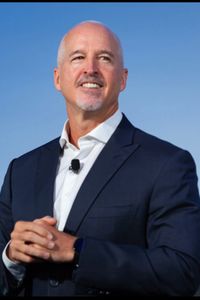
Republican Mike Minogue is running for Massachusetts governor in the Nov. 3, 2026, general election. His running mate is Oliver. The other tickets are Democratic incumbents Maura Healey and Kim Driscoll and independents Andrea James and Kittredge, according to the state’s candidate list.
A West Point graduate and Army veteran, Minogue built his business career in medical technology. He led Abiomed before Johnson & Johnson acquired it in 2022. The buyer reported an upfront enterprise value of approximately $16.6 billion plus contingent payments, according to its acquisition announcement.
Taxes, housing and energy
Minogue’s campaign platform calls for lower taxes and utility costs, spending audits, streamlined housing approvals and reduced regulatory burdens. He supports additional energy supply, including pipelines and nuclear power, and a gas-tax holiday when prices exceed $4 a gallon.
Tax changes and major spending decisions require the Legislature. Energy projects also face permitting and, in some cases, federal or regional approvals. The materials reviewed do not provide a complete budget showing the combined revenue and spending effects.
MBTA Communities and climate requirements
Minogue opposes the MBTA Communities zoning law and what he describes as net-zero mandates. His platform calls for ending enforcement of the zoning requirement and supporting communities challenging it.
The zoning law is mandatory, according to state guidance. A governor cannot independently repeal a statute, and the attorney general has a separate enforcement role. Changes to statutory climate requirements likewise depend on the law and legislative action.
Healthcare and education
Minogue supports community-based healthcare, greater accountability and scrutiny of state healthcare spending. The materials reviewed do not define a comparable fiscal year and spending category for the campaign’s healthcare-spending estimates.
He also supports Massachusetts participation in the federal scholarship tax-credit program. Beginning Jan. 1, 2027, the program offers eligible individual donors credits of up to $1,700 for qualifying contributions in participating states, according to the IRS. It is not an automatic payment to every family.
Immigration
Minogue advocates stronger cooperation with federal immigration enforcement and restrictions on state benefits. Deportation remains a federal process. Any benefit changes would need to specify the program, existing eligibility rules and applicable federal requirements.
For local residents, the potential effects involve housing approvals, education options, healthcare access and household costs. Their scale depends on the policies and funding ultimately adopted.
Source note: This profile uses public campaign materials, official election records and state and federal program guidance.
The Brookline Record did not receive a direct questionnaire response from the candidate and does not endorse candidates.