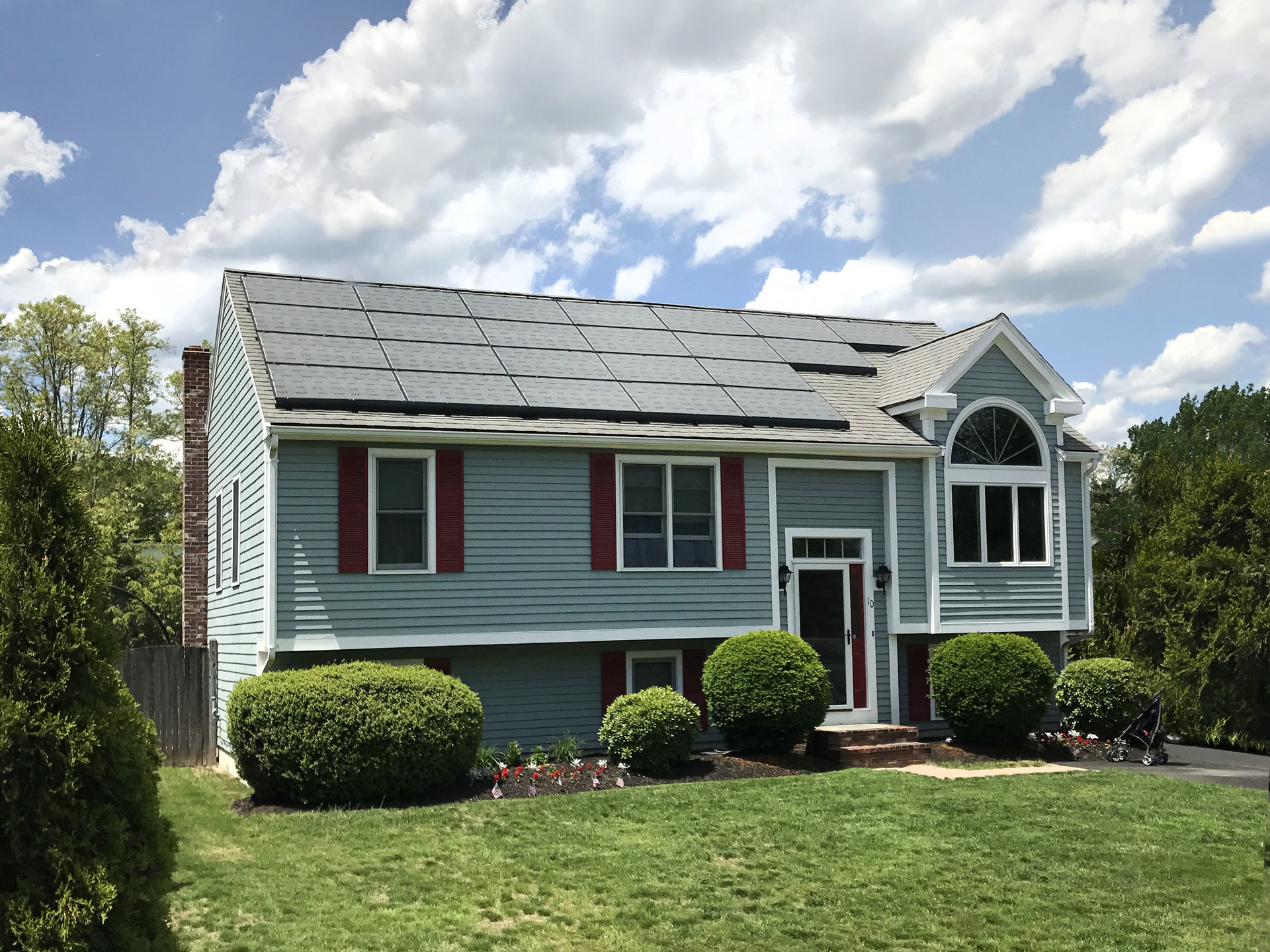
Brookline homeowners wait an average of 125 days for a solar installation permit, 31 days longer than the 94-day Massachusetts average, according to the state's SolarTRACE data tracker.
A state bill that could change that process is stalled. The energy affordability omnibus bill, H.5175, passed the House in February and the Senate in July. It includes provisions to automate solar and battery permitting statewide. A conference committee began meeting in July to reconcile the two versions, but no deadline has been set, according to the Solar Energy Industries Association.
Gov. Maura Healey is pushing for action. In a July 31 letter to conference committee chairs Sen. Barrett and Rep. Cusack, Healey called for provisions to "modernize interconnection, solar access, and oversight" by "streamlining permitting and inspections."
The delays have real costs for Brookline residents. David Mendels, a longtime resident, waited six months for a solar permit only to learn a structural issue in his roof made installation impossible, Brookline.News reported.
"If the permitting process had been automated and clear and taken 24 hours, I'd be in the exact same position," Mendels told Brookline.News.
Alaina Kinol, a two-year Brookline resident, waited a full year before her panels and battery were installed in December 2025. Her $60,000 system was partially offset by about $20,000 in federal tax credits. Kinol finished just before the 30% federal solar tax credit expired under the One Big Beautiful Bill Act.
The town's recently retired Building Commissioner Dan Bennett told Brookline.News that Brookline's process relies on five inspectors who manually review applications in their districts. Only 11 solar installations have been completed in town so far in 2026. Bennett said a one-size-fits-all approach is difficult because each municipality has different permitting codes, and that building departments would need training before any automated system could work.
The state has not provided Brookline with resources on automated permitting, Bennett said.
Brookline Sustainability and Natural Resources Director Alexandra Vecchio took a different view. She wrote that automated permitting could help the town more easily meet its climate goals by reducing time and cost barriers.
Automated permitting software has shown results in other states. In Arizona, municipalities using the nonprofit platform Solar APP+ saw solar adoption rise 140% between 2020 and 2023 compared to those that did not, according to Nicole Gentile, advocacy director of the research group Permit Power. Matthew MacAllister, who leads Solar APP+, estimated the software could cut about $3,000 in soft costs per installation.
The conference committee's work will determine whether Brookline and other Massachusetts municipalities adopt automated permitting. Beyond solar, H.5175 also proposes reforms to gas infrastructure spending and grid modernization.