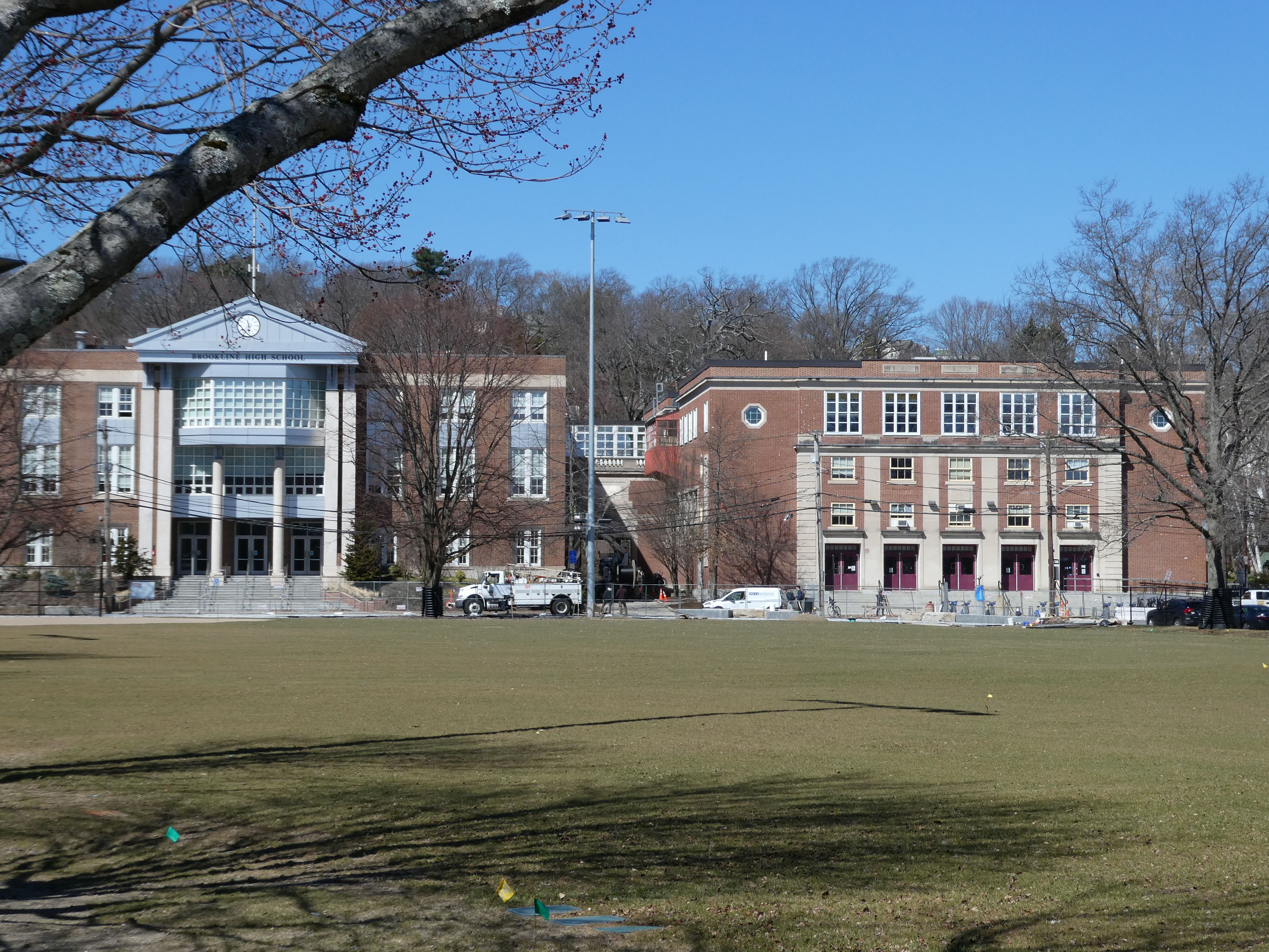
Brookline remains at high risk for West Nile virus as Massachusetts confirms six human cases in 2026.
The Massachusetts Department of Public Health (DPH) expanded its high-risk designation to 11 municipalities after announcing the latest case in early September. That patient, a man in his 70s most likely exposed in Suffolk County, was reported by the Boston Globe. He was the third Suffolk County case. Three others were reported in Middlesex County.
The 11 high-risk communities are Boston, Brookline, Cambridge, Chelsea, Everett, Malden, Newton, Revere, Somerville, Watertown and Winthrop, according to This Week in Worcester. Another 250 cities and towns across 12 counties carry a moderate rating.
Statewide, 273 mosquito samples have tested positive for West Nile virus, according to Patch.
Eastern equine encephalitis (EEE) has been detected in 13 mosquito samples, though no human or animal EEE cases have been reported in the state.
A more active season
The country recorded its earliest start to the West Nile season and the most cases by the end of June since 2004, Patch reported. July 2026 was the warmest month in the contiguous United States since 1895, according to federal climate data cited by Patch. Warm temperatures speed mosquito development and shorten the time the virus needs to become transmissible.
No vaccine or treatment exists for either virus.
What Brookline is doing
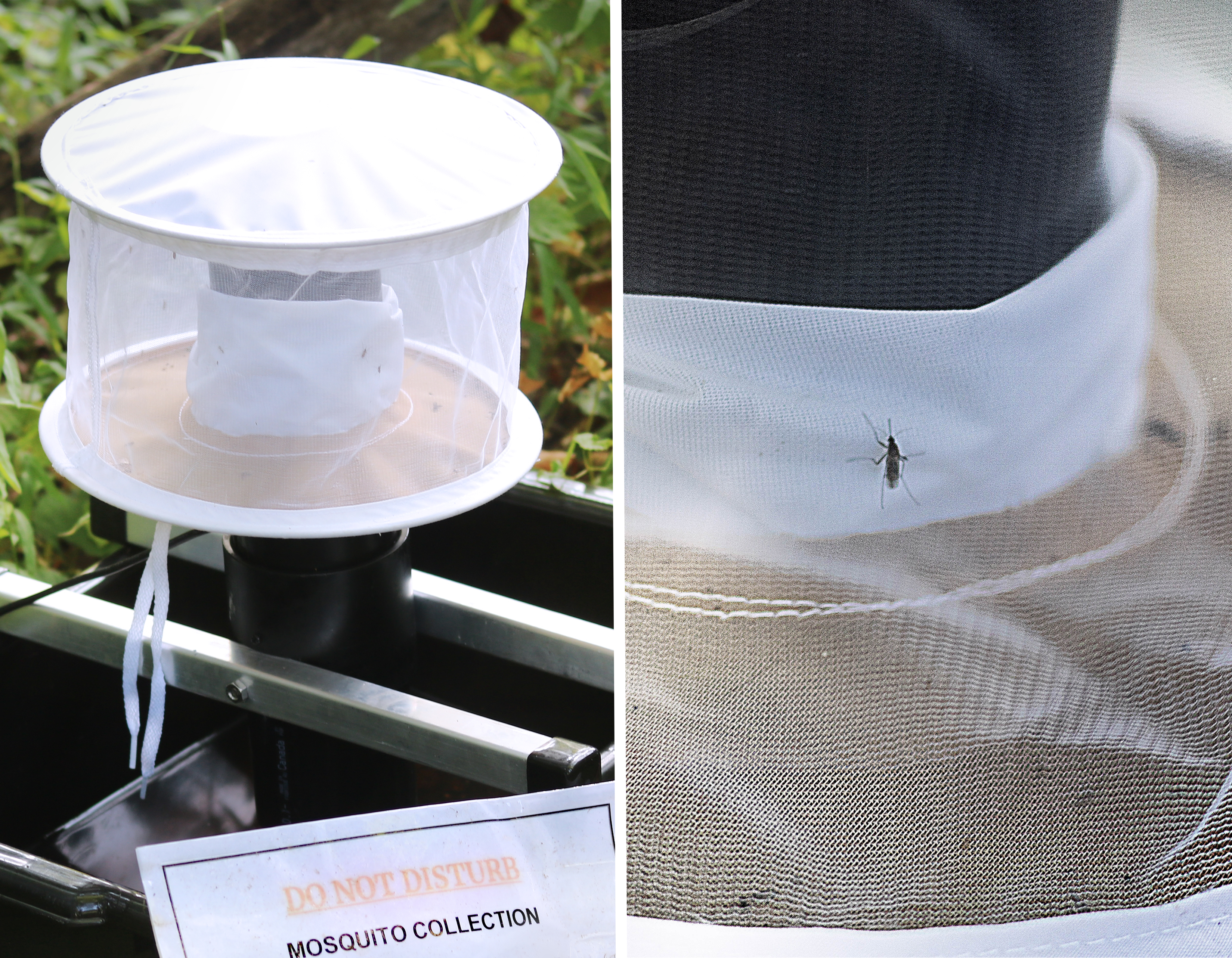
The town's Public Health and Human Services Department applied larvicide across all catch basins and selected wetland areas after the DPH elevated Brookline from moderate to high risk on Aug. 24, according to a town advisory. Mosquito traps are being maintained and monitored in coordination with state officials.
"With Brookline at high risk for West Nile Virus, simple precautions make all the difference," Dr. John Kleschinsky, the town's Public Health and Human Services director, said in the Aug. 26 advisory. He urged residents over 50 or with chronic health conditions to use EPA-approved repellent, cover exposed skin, avoid outdoor activity between dusk and dawn, and dump standing water around their properties.
Who is most at risk
About 80% of people infected with West Nile virus show no symptoms. Roughly 20% develop mild, flu-like illness. Fewer than 1% develop severe neurological disease, according to the town advisory. People over 50, those with chronic conditions and those with weakened immune systems face the greatest danger.
The DPH conducts mosquito surveillance from June through October. The season does not end until the first hard frost, which in the Boston area typically arrives in early November. Residents can contact Brookline Public Health and Human Services at 617-730-2300 for more information.