For more than 70 years, the Blumenthal family kept its darkest chapter quiet. Now a new book lays it open on the page — and for the first time, the killer's son is talking.
The murder that started it all.
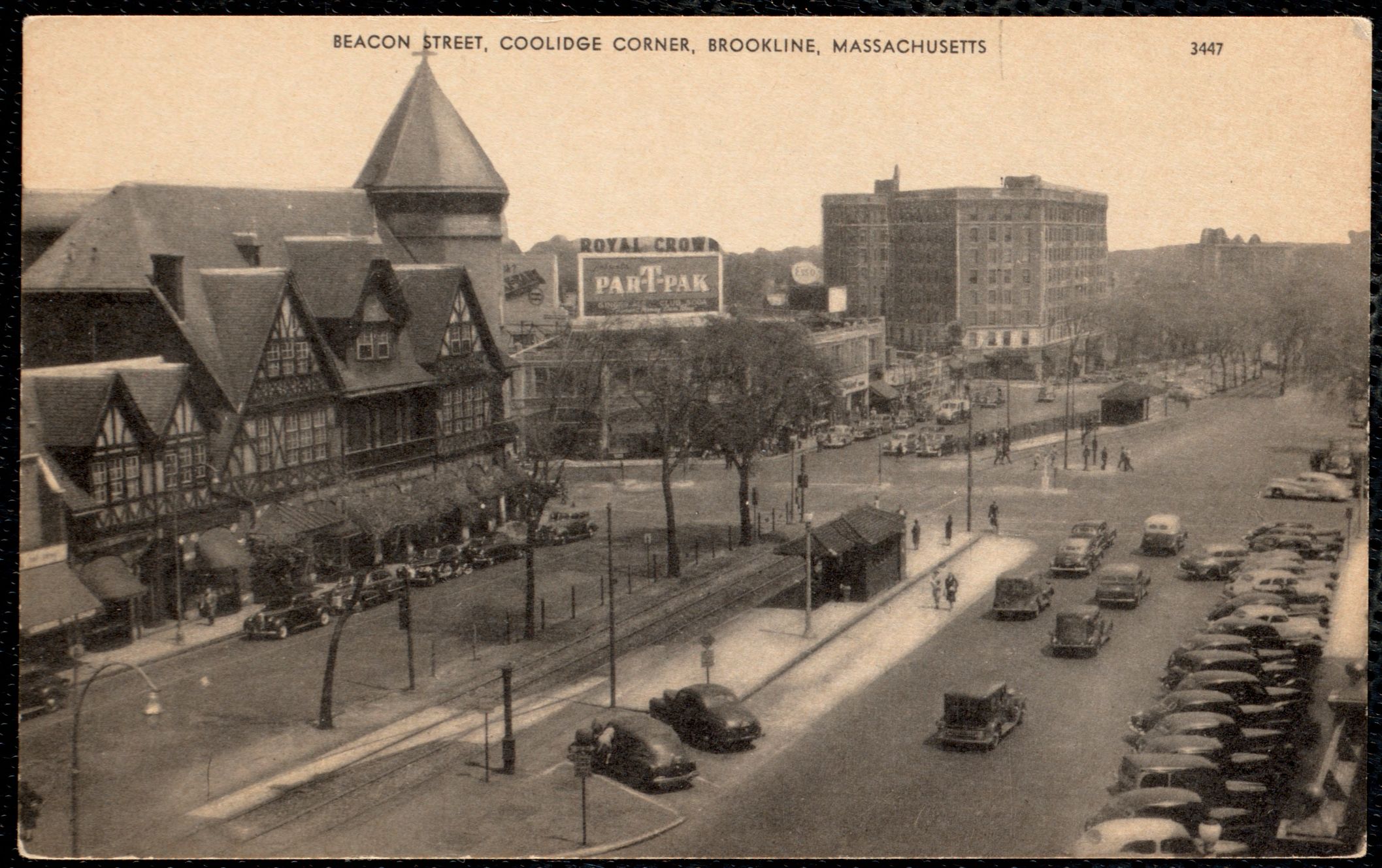
"The Curse of the Blumenthals," published in May by Post Hill Press, revisits the 1954 murder of Brookline dressmaker Ora Schonarth, found strangled with a pair of men's khakis in her Cypress Street apartment, her skull caved in with a rolling pin, her heart stabbed repeatedly with a kitchen knife. Ronald "Ronnie" Blumenthal, then 18 and a Brookline High School dropout, confessed within 48 hours. He was convicted of second-degree murder, narrowly escaping the electric chair, and served 13 years of a life sentence before being paroled at 31.
A journalist with the killer's own blood in her veins.
The author, Phyllis Karas, is a New York Times bestselling investigative journalist — and Ronnie's first cousin. She spent six years writing the book, telling Brookline.News that visiting Ronnie in prison as a child never squared with the headlines. He wanted to talk about books, she remembered. Nothing about him ever suggested violence.
A son hears the confession — and doesn't believe it.
The book's most striking revelation comes from Marc Blumenthal, Ronnie's 56-year-old son, speaking publicly about his father for the first time. When Marc was 12, Ronnie told him about the murder. Marc asked one question: Did you do it? Ronnie said no — claiming he took the fall for his own father, Barney, who'd been having a long affair with the victim. But Marc doesn't buy his father's story. He believes Ronnie killed her himself, in a moment of panic. "He was 18 in his head until he died, I think. He was just really immature," Marc said.
A theory that points somewhere even darker.
Karas herself concluded Ronnie did commit the murder — possibly with help. She suspects Ronnie's mother, Edythe, may have played a role too, either pushing her son to kill her husband's mistress or acting out of her own jealousy.
A loyalty forged by an earlier tragedy.
Prison visitation logs show almost no visiting day passed without a Blumenthal present, relatives arriving with homemade brisket, strudel and coffee cake — plus extra portions for the guards. Karas traced that fierce loyalty back to an even earlier tragedy: a 1935 drunk-driving crash that killed six family members just six months before Ronnie was born, a wound that seems to have bound the family together no matter what came after.
A quiet, unmarked ending.
Ronnie Blumenthal died in 2012. Not one family member contributed to his funeral expenses. He was buried in an unmarked pauper's grave.
The book itself.
Publishers Weekly called it "a bruising portrait of generational trauma." The $21.99 paperback is available at Brookline Booksmith, Barnes & Noble, Target and Amazon; no author event has been scheduled yet at Booksmith.